
Sri Lanka Wildlife Guide: National Parks, Safari Experiences & Best Times to Visit
 By Axel Donovan
| Update on: Aug 14, 2026
By Axel Donovan
| Update on: Aug 14, 2026
Sri Lanka is one of Asia's best wildlife destinations, offering an extraordinary variety of animals within a relatively small island. From Asian elephants roaming national parks to elusive Sri Lankan leopards, blue whales off the southern coast, and hundreds of colorful bird species, the country's biodiversity makes it a dream destination for nature lovers and wildlife photographers.
Whether you're planning a Sri Lanka wildlife holiday, a family safari, or a birdwatching adventure, this guide covers the best places to see wildlife, the ideal time to visit, and practical travel tips to help you make the most of your trip.
- Why Is Sri Lanka Known for Wildlife?
- Best National Parks for Wildlife in Sri Lanka
- Animals You Can See in Sri Lanka
- Best Time For a Sri Lanka Wildlife Holiday
- Sample Sri Lanka Wildlife Itineraries
- What Affects the Cost of a Sri Lanka Wildlife Safari?
- Responsible Wildlife Tourism in Sri Lanka
- Do You Need an ETA to Visit Sri Lanka?
- Travel Tips for a Sri Lanka Wildlife Holiday
- Frequently Asked Questions About Sri Lanka Wildlife
- Is Sri Lanka good for a wildlife safari?
- What is the best national park in Sri Lanka for wildlife?
- When is the best time to see elephants in Sri Lanka?
- Can you see whales and elephants in Sri Lanka on the same trip?
- Is it expensive to go on safari in Sri Lanka?
- Can you combine wildlife safaris with beach holidays?
- Is Sri Lanka suitable for family wildlife holidays?
- Final thoughts
Why Is Sri Lanka Known for Wildlife?
Despite covering only about 65,000 square kilometers, Sri Lanka is recognized as one of the world's biodiversity hotspots. Its relatively compact size makes it possible to include several wildlife regions in one itinerary, although travel times between some parks can still be significant.
The country boasts an extensive network of protected areas, including 26 national parks and numerous wildlife sanctuaries, making wildlife encounters accessible throughout the year.
Key Wildlife Facts About Sri Lanka
- Sri Lanka supports high leopard densities in several protected areas, including Yala and Kumana National Parks.
- One of Asia's largest wild elephant populations, with major sightings at Udawalawe, Minneriya, and Wilpattu
- Sri Lanka allows travellers to combine wild elephant safaris with seasonal whale watching within the same holiday.
- Over 34 endemic bird species, with Sinharaja Rainforest alone home to roughly 20 of them
- More than 100 protected areas covering close to 15% of the island's total land area
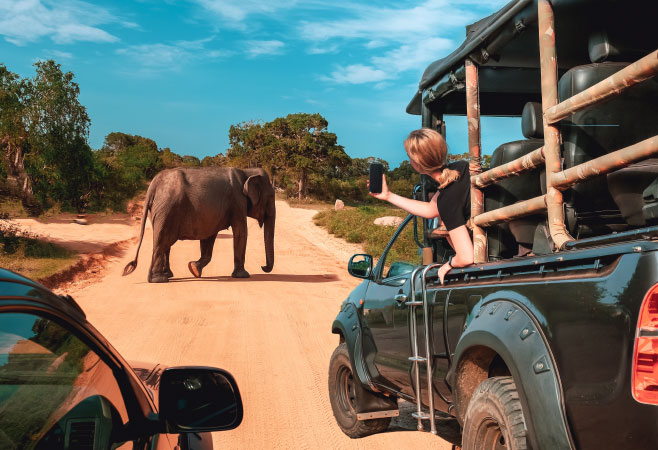 A scenic safari experience during a Sri Lanka wildlife holiday
Best National Parks for Wildlife in Sri Lanka
Each national park offers a different safari experience depending on the animals you hope to see.
1. Yala National Park
Best for: Leopards, elephants, sloth bears
Yala National Park is Sri Lanka's most famous safari destination and has one of the highest leopard densities in the world. Besides leopards, visitors may spot elephants, crocodiles, spotted deer, jackals, peacocks, and numerous bird species.
Best time to visit: February to July
2. Udawalawe National Park
Best for: Asian elephants
Udawalawe is one of the most reliable places in Asia to see wild elephants. Herds are commonly seen throughout the park, making it ideal for families and first-time safari visitors.
Other wildlife includes:
- Water buffalo
- Sambar deer
- Crocodiles
- Eagles
- Owls
Best time: Year-round
3. Wilpattu National Park
Best for: Quiet safaris and leopards
Wilpattu is Sri Lanka's largest national park and offers a more peaceful safari experience than Yala. Dense forests and natural lakes create excellent habitats for leopards, sloth bears, elephants, and many bird species.
Best time: February to October
4. Minneriya National Park
Best for: The Gathering of elephants
Minneriya is internationally famous for The Gathering, one of the world's largest seasonal gatherings of wild Asian elephants.
From around July to October, elephant herds often gather in the Minneriya area during the dry season, although their location and numbers vary with water levels and rainfall.
5. Horton Plains National Park
Best for: Highland wildlife and hiking
Unlike traditional safari parks, Horton Plains offers scenic hiking trails where visitors may encounter:
- Sambar deer
- Purple-faced langurs
- Endemic birds
- Beautiful cloud forests
The park is also home to the famous World's End viewpoint.
6. Sinharaja Forest Reserve
Best for: Endemic Birds
A UNESCO World Heritage rainforest in the southwest, Sinharaja is the top destination for birdwatchers. The reserve is exceptionally important for Sri Lanka’s endemic birds, as well as rare amphibians, reptiles, and other wildlife.
7. Bundala and Kumana National Parks
Best for: Migratory Birds
These wetland parks along the southeast coast attract large numbers of migratory birds, including flamingos and eagles, particularly between October and April.
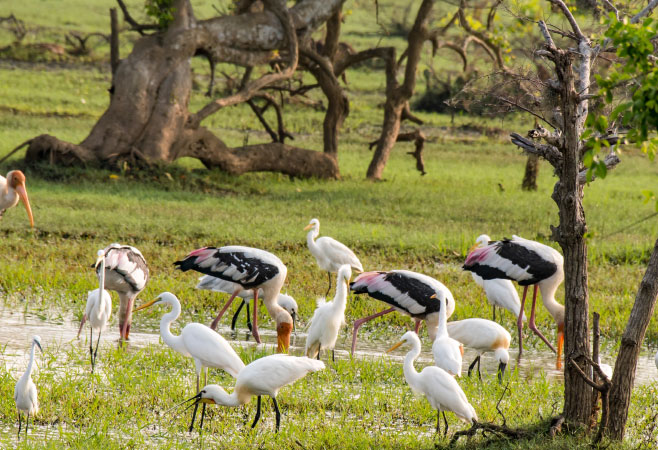 Birdwatching experience on a Sri Lanka wildlife holiday
Animals You Can See in Sri Lanka
Sri Lanka offers excellent opportunities to observe wildlife in its natural habitat.
Mammals
- Sri Lankan leopard
- Asian elephant
- Sloth bear
- Water buffalo
- Sambar deer
- Spotted deer
- Wild boar
- Golden jackal
- Purple-faced langur
- Toque macaque
Birds
Birdwatchers can expect to see:
- Sri Lanka junglefowl (national bird)
- Painted stork
- Grey-headed fish eagle
- Black-necked stork
- Kingfishers
- Hornbills
- Bee-eaters
Sri Lanka is especially rewarding for endemic bird species.
Marine Wildlife
The island is also famous for ocean wildlife. Popular sightings include:
- Blue whales
- Sperm whales
- Spinner dolphins
- Bottlenose dolphins
- Sea turtles
Mirissa and Trincomalee are among the best locations for whale watching.
Best Time For a Sri Lanka Wildlife Holiday
Different regions have different weather patterns, allowing wildlife experiences throughout the year.
| Wildlife Experience | Best Months | Location |
|---|---|---|
| Leopard safaris | February – June (peak); March – October (good) | Yala, Wilpattu |
| Elephant "Gathering" | July – October (peak activity) | Minneriya |
| Elephant sightings (general) | Year-round, best June – September | Udawalawe |
| Whale watching (blue & sperm whales) | November – April | Mirissa, Kalpitiya |
| Whale watching (alternative season) | May – August | Trincomalee (east coast) |
| Bird migration season | October – April | Bundala, Kumana, Sinharaja |
| Sloth bear sightings | Around June (fruiting season) | Wilpattu, Yala |
Quick tip:
Planning your itinerary around seasonal wildlife activity will maximize your chances of memorable sightings.
If your trip spans a single window, February to April is one of the most balanced periods — dry-season conditions improve leopard and elephant visibility in the south, while whale watching off Mirissa is still active.
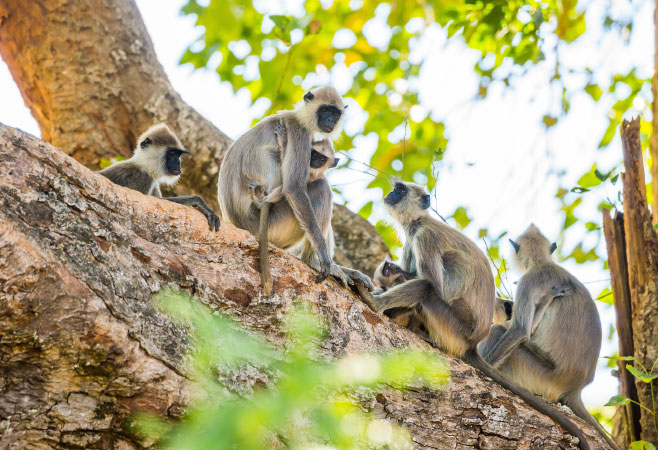 Exploring Sri Lanka’s wild side on a safari adventure
Sample Sri Lanka Wildlife Itineraries
Many visitors combine multiple parks for a well-rounded experience.
3-day wildlife tour
- Yala National Park
- Udawalawe National Park
- Elephant Transit Home
Ideal for travelers with limited time.
5-day safari itinerary
- Yala
- Udawalawe
- Bundala National Park
- Mirissa whale watching
Perfect for combining land and marine wildlife.
7-day wildlife adventure
- Wilpattu
- Minneriya
- Sigiriya
- Horton Plains
- Yala
Suitable for photographers and wildlife enthusiasts seeking diverse habitats.
Note: For a seven-day wildlife trip, focus on two or three regions rather than trying to cover parks across the entire island.
What Affects the Cost of a Sri Lanka Wildlife Safari?
Costs depend on park entrance fees, jeep type, group size, guide services, and the operator you choose. Check current prices when planning your trip. One of Sri Lanka's biggest advantages over other wildlife destinations, particularly African safari circuits, is affordability:
- Half-day shared jeep safari (including park entry): roughly $30–60 per person
- Full-day safari: roughly $60–120 per person
- Private safari with a premium guide: roughly $150–300 per day
- Whale watching boat tours: typically priced separately per person, per excursion, and widely available in Mirissa and Trincomalee
Because parks are close together, many travelers combine two or three national parks with a beach stop and a cultural site (like Galle Fort or the Sinharaja rainforest) into a single 7–10 day itinerary without excessive driving time.
Responsible Wildlife Tourism in Sri Lanka
Protecting wildlife helps preserve Sri Lanka's natural heritage for future generations.
Follow these responsible travel practices:
- Keep a safe distance from wild animals.
- Never feed wildlife.
- Stay inside safari vehicles unless instructed by your guide.
- Avoid loud noises.
- Choose licensed safari operators.
- Never purchase products made from endangered wildlife.
- Dispose of waste responsibly.
- Ethical tourism helps protect fragile ecosystems while supporting local communities.
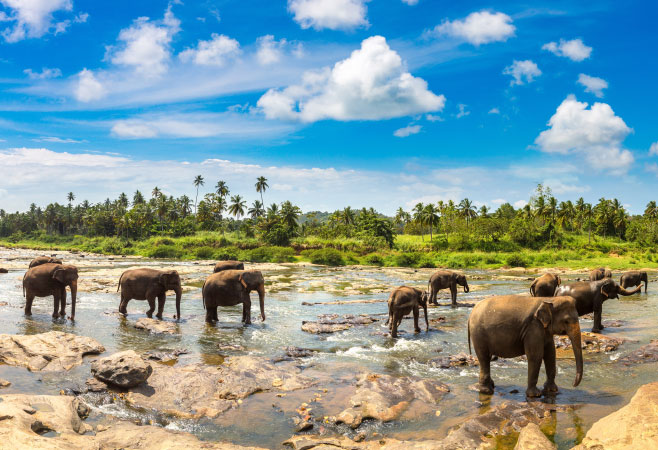 Wild elephants during a Sri Lanka wildlife holiday
Do You Need an ETA to Visit Sri Lanka?
Most international tourists need an Electronic Travel Authorization (ETA) before travelling to Sri Lanka. From 25 May 2026, nationals of 40 selected countries are eligible for a free 30-day tourist ETA. Check the current rules for your nationality before departure. Before applying, ensure you have:
- ETA holders should be prepared to show a passport valid for at least six months from arrival
- A confirmed return ticket
- Evidence of sufficient funds for their stay
- Accommodation details
Since entry requirements may change, always check the latest immigration regulations before traveling.
Travel Tips for a Sri Lanka Wildlife Holiday
Make the most of your safari with these practical tips:
- Book a reputable safari operator that follows ethical wildlife viewing practices.
- Choose early morning or late afternoon safaris, when animals are most active.
- Wear neutral-colored clothing and bring sunscreen, insect repellent, water, binoculars, and a camera with a zoom lens.
- Be patient and quiet to improve your chances of spotting wildlife, especially leopards and sloth bears.
- Respect wildlife by keeping a safe distance and following park regulations.
- Combine parks for a richer experience—for example, visit Yala for leopards and Udawalawe for elephants, or add Mirissa for whale watching.
- Book in advance during peak travel seasons, as safari permits, jeeps, and popular lodges can sell out quickly.
Following these tips will help you enjoy a safe, responsible, and memorable wildlife adventure while supporting Sri Lanka's conservation efforts.
Frequently Asked Questions About Sri Lanka Wildlife
Is Sri Lanka good for a wildlife safari?
Yes. Sri Lanka is considered one of Asia's top wildlife destinations, offering the world's highest recorded leopard density, strong elephant sightings, and offshore blue whale encounters, all within a compact, easy-to-travel island.
What is the best national park in Sri Lanka for wildlife?
It depends on your priority: Yala is best for leopards and overall diversity, Udawalawe is well known for frequent elephant sightings, while Yala is a popular choice for travellers hoping to see leopards and a broader range of wildlife.
When is the best time to see elephants in Sri Lanka?
Udawalawe offers strong elephant sightings year-round, while Minneriya's dramatic elephant "Gathering" typically peaks between July and October during the dry season.
Can you see whales and elephants in Sri Lanka on the same trip?
Yes. Depending on the season, travellers can combine an elephant safari with a whale-watching trip during the same Sri Lanka itinerary.
Is it expensive to go on safari in Sri Lanka?
Not compared to other major safari destinations. Safari costs vary by park, vehicle type, group size, entrance fees, and operator, so check current prices for the parks you plan to visit.
Can you combine wildlife safaris with beach holidays?
Absolutely. Many travelers combine safaris in Yala or Udawalawe with beach stays in Mirissa, Bentota, Arugam Bay, or Trincomalee for a balanced itinerary.
Is Sri Lanka suitable for family wildlife holidays?
Yes. Many national parks offer family-friendly jeep safaris with opportunities to see elephants, deer, crocodiles, monkeys, and birds, making Sri Lanka an excellent destination for travelers of all ages.
Final thoughts
Sri Lanka offers one of the most rewarding wildlife experiences in Asia. Its compact size allows travelers to combine jeep safaris, whale watching, birding, hiking, and beach holidays within a single itinerary. Whether your dream is to photograph a Sri Lankan leopard, watch hundreds of elephants gather in the wild, or spot blue whales off the southern coast, the island delivers unforgettable encounters with nature.
By choosing responsible safari operators, respecting wildlife, and planning your visit around seasonal highlights, you'll enjoy an authentic and sustainable Sri Lanka wildlife holiday while helping protect the country's remarkable biodiversity.
Related Articles
- Mahiyanganaya Temple Travel Guide: History, Location & Tips
- Traveling From Colombo to Sigiriya: Routes, Costs & Tips
- Wilpattu National Park Guide: Everything You Need to Know
- SriLankan Airlines Travel Guide: Services, Routes & Travel Tips
- Thalpe Beach Guide: Location, Best Things to Do & Travel Tips
- Travel Sri Lanka with Kids: Best Places, Itinerary & Travel Tips
- Galle Weather Guide: Climate, Seasons, and Travel Tips
- Best Way to Travel from Colombo to Kandy, Routes & Costs
- Mihintale Temple Travel Guide: What to See & When to Visit

HOW CAN WE HELP?
 NEED HELP 24/7
 United States
+1 949 346 9868
United States
+1 949 346 9868
 United Kingdom
+44 0330 822 7696
United Kingdom
+44 0330 822 7696
 Singapore
+65 6485 3630
Singapore
+65 6485 3630
 Viber
+65 8174 8526
Viber
+65 8174 8526

APPLY WITH CONFIDENCE


|
|||


