
Wilpattu National Park Guide: Everything You Need to Know
 By Axel Donovan
| Update on: Aug 11, 2026
By Axel Donovan
| Update on: Aug 11, 2026
If you are searching for the best wildlife experience in Sri Lanka, Wilpattu National Park should be at the top of your itinerary. Known for its vast wilderness, elusive leopards, and tranquil safari atmosphere, Wilpattu offers a different experience from the island's more crowded parks.
Whether you are a wildlife photographer, birdwatcher, or first-time visitor to Sri Lanka, this guide covers everything you need to know about visiting Wilpattu National Park.
- What Is Wilpattu National Park?
- Wildlife You Can See in Wilpattu National Park
- Best Time to Visit Wilpattu National Park
- Wilpattu Safari Options
- Wilpattu National Park Entrance Fees and Opening Hours
- How to get to Wilpattu
- Where to Stay Near Wilpattu National Park
- Practical Safari Tips
- Frequently Asked Questions About Wilpattu National Park
- Final Thoughts: Is Wilpattu Worth It?
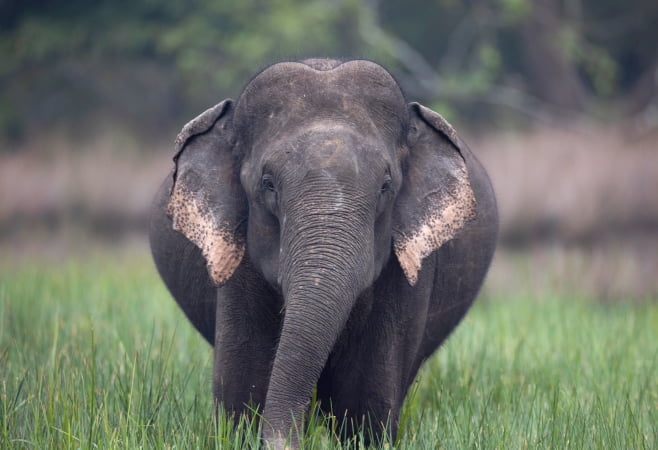 Wilpattu National Park is a top destination for nature lovers and wildlife photographers
What Is Wilpattu National Park?
Wilpattu National Park is the largest national park in Sri Lanka, covering approximately 1,317 square kilometers (131,700 hectares) of protected dry-zone forest, scrubland, and natural wetlands. Established as a wildlife sanctuary in 1905 and officially designated as a national park in 1938, it remains one of the country's most important conservation areas.
The park takes its name from the Sinhala words "Willu" (natural lakes) and "Pattu" (land), meaning "the land of lakes." These unique shallow, rain-fed lakes are scattered across the landscape and create ideal habitats for a wide variety of wildlife.
Where Is Wilpattu National Park Located?
Wilpattu National Park is located in the northern part of Sri Lanka, covering an area of the Anuradhapura and Puttalam districts. It is approximately 180 km away from Colombo, with a driving time of around 3.5-4 hours, with or without congestion.
Nearby destinations:
- Anuradhapura: 1.5-hour drive.
- The town of Puttalam is located about 70 km from the park's main entrance.
- Kalpitiya is a popular beach for a holiday, and it is available as an option for a Wilpattu safari.
- The main entrance for visitors is the gate in the Hunuwilagama area, and a secondary inlet is from the north, which is less utilized.
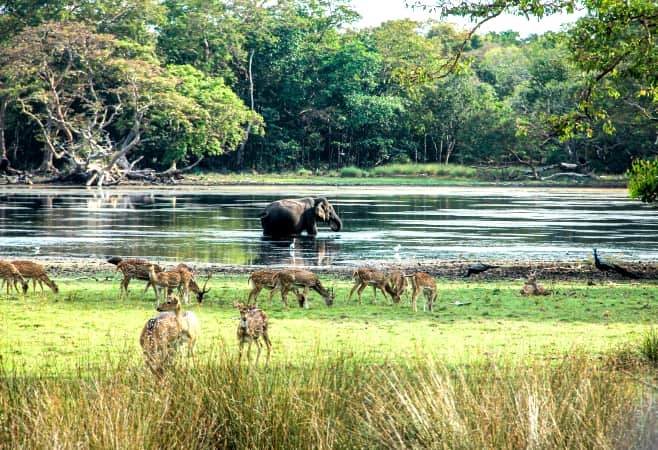 Wilpattu National Park is one of Sri Lanka’s largest and most famous wildlife reserves
Wildlife You Can See in Wilpattu National Park
The animal species that can be observed in Wilpattu National Park are shown below:
Leopards
The Sri Lankan leopard (Panthera pardus kotiya) is the most iconic resident of the Park. Wilpattu offers excellent leopard-viewing opportunities, often with fewer safari vehicles than Yala, creating a more natural wildlife experience.
Sloth Bears
Wilpattu is considered to be the best place in Sri Lanka to see the threatened Sri Lankan sloth bear. Bears are most likely to be spotted when they come out for their Palu fruit season, which is from June through July.
Elephants
Asian elephants are frequently seen throughout the park, especially in the dry season around the park's natural lakes (villus). Herds are smaller than those in Minneriya and Udawalawe, but you may have more intimate encounters.
Other Mammals
There are approximately 30 species of mammals in Wilpattu, such as the spotted deer, sambar deer, wild boar, water buffalo, golden jackals, mongooses, fishing cats, and mugger crocodiles.
Birdlife
Wilpattu is a birdwatcher's haven, with over 200 documented bird species. Birds that are seen are painted storks, pelicans, herons, hornbills, eagles, owls, and seasonal migratory birds (October to March).
Reptiles
The park is also home to a variety of reptile species, such as mugger crocodiles, monitor lizards, pythons, and some indigenous snake and lizard species.
Best Time to Visit Wilpattu National Park
The best time for a safari in Wilpattu is generally during the dry season from February to October. As water levels decrease, animals gather around the remaining lakes, improving the chances of spotting wildlife.
| Season | Conditions | Wildlife Viewing |
| February – April | Dry, pleasant weather | Excellent |
| May – July | Warm and dry |
Very good, especially for leopards and sloth bears |
|
August – October |
Dry but hotter |
Good |
| November – January |
Northeast monsoon, occasional heavy rain |
Fair, but ideal for birdwatching |
Many experienced safari guides recommend early morning (6:00–10:00 AM) or late afternoon (3:00–6:00 PM) safaris when wildlife activity is highest.
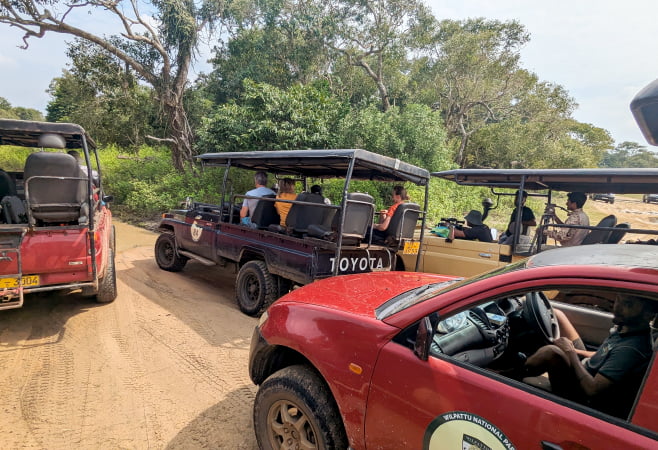 A safari through Wilpattu offers the chance to spot leopards, elephants, and diverse birdlife
Wilpattu Safari Options
Visitors can explore the park only by authorized safari jeep with a licensed driver or guide.
Half-Day Safari
Duration: 3–5 hours
Ideal for travelers with limited time.
Morning and afternoon departures available.
Full-Day Safari
Duration: 6–10 hours
Best for wildlife photographers and serious nature enthusiasts.
Covers a larger section of the park and increases the likelihood of rare sightings.
Morning vs. Afternoon Safari
|
Safari Type |
Advantages |
|
Morning Safari |
Cooler temperatures and active wildlife, especially leopards and birds. |
|
Afternoon Safari |
Beautiful lighting for photography and fewer visitors. |
|
Full-Day Safari |
Maximum wildlife exposure and access to remote areas. |
Wilpattu National Park Entrance Fees and Opening Hours
Opening Hours
- Park opens: 6:00 AM
- Park closes: 6:00 PM
- Last vehicle entry: Approximately 4:00 PM.
Entrance Fees
The entrance fees are set by the Sri Lankan Department of Wildlife Conservation (DWC) and can be subject to changes from time to time. Visitors will need to pay for the following in addition to the park entry ticket:
- Jeep rental.
- Fees paid by driver/trackers.
- Taxes and service charges levied by the government.
Check with your safari company or hotel for the most up-to-date rates before you travel.
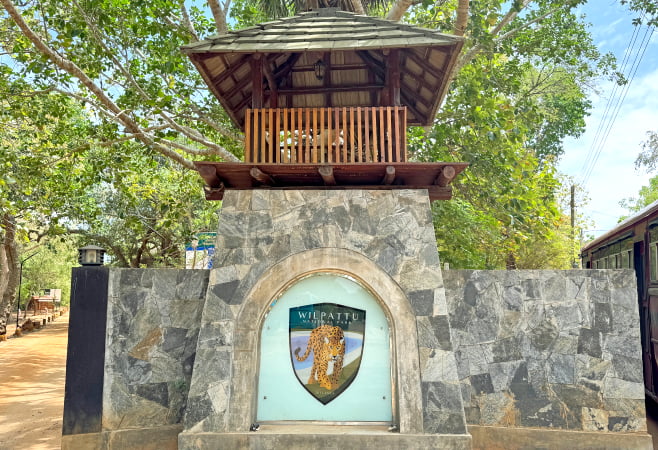 Wilpattu National Park entrance tickets help support the conservation of its unique ecosystem
How to get to Wilpattu
Getting to Wilpattu National Park is an easy process. Wilpattu National Park is easily accessible.
From Colombo
- Distance: Approximately 180 km.
- Private car/taxi travel time: 3.5–4 hours.
From Anuradhapura
- Distance: Around 45–50 km.
- Travel time: approximately 1 to 1.5 hours.
From Kalpitiya
- Travel time: About 1.5 hours, which allows you to combine a beach holiday with a safari to see wildlife.
There are a few services that provide public transport to the entrance of the park; the majority of visitors arrive by private car or on a guided tour.
Where to Stay Near Wilpattu National Park
There are a variety of accommodation facilities available for all kinds of budgets at Wilpattu.
Luxury Safari Lodges
Small family-managed safari lodges with guided safaris.
Premium wildlife lodges in the vicinity of the eco-lodges.Ecological lodges with high-quality wildlife experiences.
Mid-Range Hotels
Several mid-range safari lodges and guesthouses are located near the main entrance.
Many offer safari deals and airport transfers as well.
Budget Guesthouses
Family-run guesthouses in nearby villages offer affordable accommodation for budget travelers.
A convenient option for solo travelers.
Many travelers stay in Anuradhapura and visit Wilpattu as a day trip while exploring the region's ancient sites.
Practical Safari Tips
- Arrive at opening time to maximize wildlife sightings and avoid the busiest safari hours.
- Minimize noise: Avoid disturbing animals or having noise levels, such as phone ringing, that are too loud.
- Take binoculars: Lots of wildlife sightings are at a distance or in dense vegetation.
- Packing supplies: A hat, sun cream, water, and light snacks (particularly for long trips).
- Hire an experienced guide: Local knowledge will help you to spot leopards and sloth bears.
- Be patient: Wilpattu encourages a leisurely pace, and watchful waiting near the parks' natural lakes can bring delightful wildlife sightings.
Frequently Asked Questions About Wilpattu National Park
Is Wilpattu open year-round?
Yes. Unlike some other parks in Sri Lanka that close during the monsoon seasons, Wilpattu is open 365 days a year. The best wildlife viewing is during the dry season (May to October).
Can I visit Wilpattu as a day trip from Colombo?
It's possible, but demanding. Expect a 3.5–4 hour drive each way, meaning a very early departure (around 2:30–3:00 AM from Colombo). A better option is to stay in Anuradhapura the night before or to stay near the park entrance.
Is a leopard sighting guaranteed?
No safari guide or park can guarantee a leopard sighting. Wilpattu has a healthy population, but the dense forest means sightings require patience and a bit of luck. Most visitors who spend a full day in the park during the dry season do encounter leopards, though.
Can I book safari tickets online?
Yes, entrance tickets can now be purchased online in advance, allowing you to skip queues at the park gate. Jeep hire and guide services are organized separately through local operators or your accommodation.
Are there elephants in Wilpattu?
Yes, but they're solitary and less common than Minneriya/Kaudulla/Udawalawe.
Can I pay for park entry online?
Technically possible via the Department of Wildlife Conservation website, but it often doesn't work — bring cash.
Final Thoughts: Is Wilpattu Worth It?
Without hesitation, yes. Wilpattu National Park is one of Sri Lanka's genuinely underrated treasures — a vast, ancient wilderness that rewards curiosity and patience with some of the island's most memorable wildlife encounters.
It's not a park that delivers guaranteed action on a tight schedule. But for travelers who want to experience wildlife on its own terms — in a landscape that feels genuinely wild, not theme-parked — Wilpattu is the most rewarding national park in Sri Lanka.
Related Articles
- Sri Lanka Wildlife Guide: National Parks, Safari Experiences & Best Times to Visit
- Mahiyanganaya Temple Travel Guide: History, Location & Tips
- Traveling From Colombo to Sigiriya: Routes, Costs & Tips
- SriLankan Airlines Travel Guide: Services, Routes & Travel Tips
- Thalpe Beach Guide: Location, Best Things to Do & Travel Tips
- Travel Sri Lanka with Kids: Best Places, Itinerary & Travel Tips
- Galle Weather Guide: Climate, Seasons, and Travel Tips
- Best Way to Travel from Colombo to Kandy, Routes & Costs
- Mihintale Temple Travel Guide: What to See & When to Visit

HOW CAN WE HELP?
 NEED HELP 24/7
 United States
+1 949 346 9868
United States
+1 949 346 9868
 United Kingdom
+44 0330 822 7696
United Kingdom
+44 0330 822 7696
 Singapore
+65 6485 3630
Singapore
+65 6485 3630
 Viber
+65 8174 8526
Viber
+65 8174 8526

APPLY WITH CONFIDENCE


|
|||


