
Udawalawe National Park Guide: Safari, Elephants & Travel Tips
 By Axel Donovan
| Update on: Feb 26, 2026
By Axel Donovan
| Update on: Feb 26, 2026
Udawalawe National Park is one of Sri Lanka’s most beloved wildlife destinations, offering unforgettable safari experiences amid untamed landscapes and spectacular animal encounters. Known especially for its large Asian elephant population and rich biodiversity, Udawalawe delivers a truly authentic safari adventure that rivals parks across Asia.
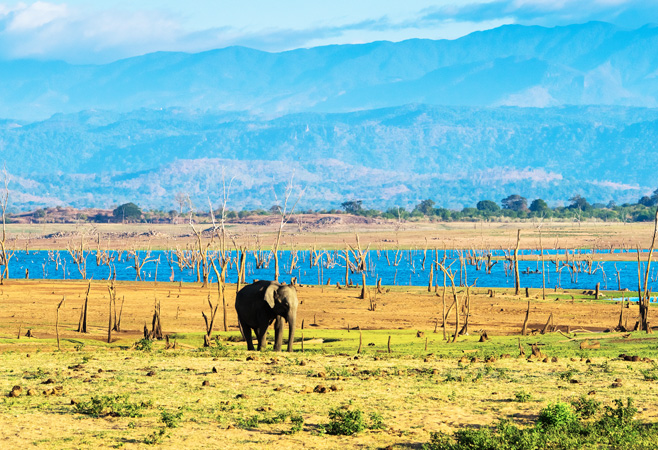 A panoramic view of the serene Udawalawe Reservoir, framed by lush greenery and distant peaks
Where Is Udawalawe National Park?
Udawalawe National Park is located in the southern part of Sri Lanka, approximately 170–190 kilometres southeast of Colombo (3.5–5 hours by road), lying between the Ratnapura and Hambantota districts. Its diverse terrain includes open grasslands, forests, marshes, and the Udawalawe Reservoir, creating ideal habitats for wildlife big and small.
Why Visit Udawalawe National Park?
Elephants in the Wild
Udawalawe is especially famous for its wild Asian elephants, with hundreds roaming freely — making it one of Sri Lanka’s best parks for elephant sightings. Visitors often see elephants grazing, bathing, or socialising close to their safari jeep, a highlight for many guests.
Birdwatching & Biodiversity
Beyond elephants, the park supports 150+ bird species, including peacocks, hornbills, and kingfishers. You’ll also spot water buffalo, deer, crocodiles, and a variety of smaller mammals and reptiles throughout the ecosystem.
Spectacular Wildlife Photography
With its open landscapes and plentiful wildlife, Udawalawe is ideal for photography — whether you’re capturing elephants at watering holes or vivid birdlife in flight. Associated safari tours often include ample stop time for photos.
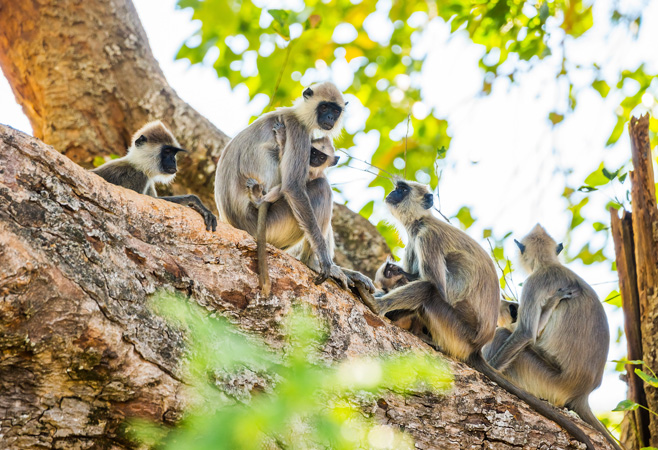 Udawalawe is one of Sri Lanka's top national parks for animal viewing and nature photography adventures
About Visiting Udawalawe National Park
Best Time to Visit Udawalawe National Park
The park remains open year-round and delivers excellent wildlife viewing in any season, but timing affects your experience:
- Dry season (May to September) — Peak period for elephant sightings. Animals gather around water sources, making herds easier to find. The weather is mostly sunny and hot.
- January–February & June–September — Often considered the sweet spot for clear skies, active wildlife, and good photography conditions.
- Wet season (October to January) — Lush green scenery, fewer crowds, and excellent birdwatching (including migratory species). Afternoon showers are possible, but mornings are usually clear.
- February–April — A balanced shoulder period with dry weather and beautiful landscapes.
Timing to visit
Early morning (5:30–6:00 AM start) or late afternoon (2:30–3:00 PM start) safaris are ideal — temperatures are cooler, and animals are most active.
How to Get to Udawalawe National Park
Most visitors arrive by private car, taxi, or organized transfer:
- From Colombo — 3.5–5 hours by road (approx. 180–200 km).
- From Galle, Mirissa, or the south coast — 2–3 hours.
- From Ella — About 2–2.5 hours.
- From Kandy — Around 4–5 hours.
- From Weligama: ~2 hours via E01 route
Entrance Fees and Safari Costs
Entrance fees (set by the Department of Wildlife Conservation) for foreign visitors:
- Adult — approximately $40–44 USD per person (includes park entry + service fees)
- Children (6–12 years) — around $18–20 USD
- Children under 6 — free
Note: Entrance fees are subject to change by the Department of Wildlife Conservation without prior notice.
Jeep & guide costs (separate from entrance):
- Half-day private jeep — typically $40–80 USD (depending on season and operator)
- Full-day — $80–120 USD
Prices vary depending on season and operator.
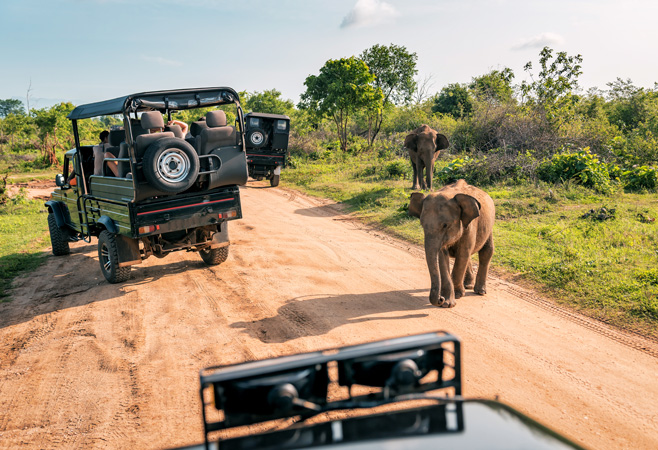 Safari jeep observing a family of elephants at close range, which allows visitors to experience Udawalawe's wildlife
Top Things to Do at Udawalawe National Park
1. Safari Jeep Tours (Must-Do)
The best way to explore the park is on a private safari jeep with a licensed driver and guide. This approach offers:
- High chances of spotting elephants early in the day
- Comfortable viewing from an open-top vehicle
- Local expertise that enriches your wildlife experience
Important: Self-drive safaris are not permitted — all park entry requires an authorised safari vehicle and guide to ensure safety and wildlife protection.
2. Timed Safaris
Udawalawe operates daily with two prime safari periods:
- Morning Safari: ~6:00–10:00 AM — wildlife is most active in cool early hours.
- Afternoon Safari: ~2:00–6:00 PM — golden light and cooler temperatures improve animal sightings and photography.
Tip: Early bookings or hotel arrangements help secure your preferred time, especially during peak travel months.
3. Elephant Transit Home
Just outside the park is the Udawalawe Elephant Transit Home, a conservation centre that rehabilitates orphaned baby elephants before returning them to the wild. Visitors can watch feeding sessions and learn about ethical elephant protection efforts.
4. Udawalawe Reservoir & Nature Views
The Udawalawe Reservoir, created by a dam on the Walawe River, offers scenic views and wildlife viewing near the water. It’s a peaceful complement to the safari experience and perfect for sunset photography.
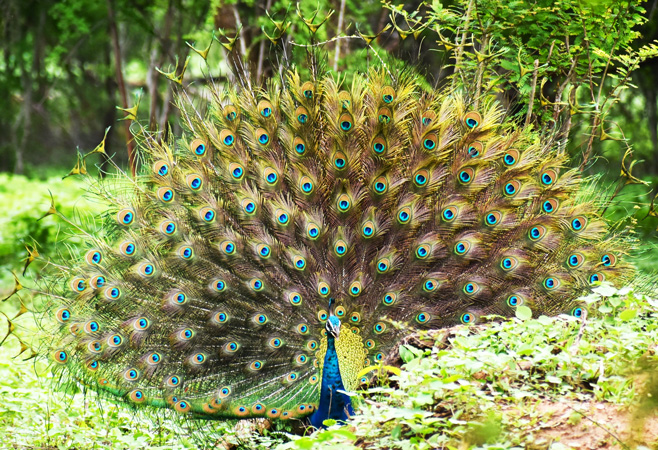 Udawalawe National Park is ideal for wildlife observation
Expert Tips for a Better Experience
Book a Specialist Guide: While many jeep drivers are observant, hiring a dedicated naturalist can transform your trip. They can identify bird calls and explain the complex social behaviors of the elephant herds.
Bring a Mask/Scarf: The tracks can get extremely dusty, especially during the dry season. A light scarf will save your lungs and camera gear.
Use Sunscreen: Even in an overhead-covered jeep, the sun reflects off the light-colored soil and water.
Stay Quiet: If you spot a herd, ask your driver to turn off the engine. The silence of the bush, broken only by the sound of elephants snapping branches, is a magical experience.
Final Thoughts
Udawalawe National Park delivers one of Sri Lanka’s most reliable and rewarding wildlife experiences. Plan your safari for early morning or late afternoon, choose a reputable guide, and let the natural beauty unfold.Ready to witness wild elephants up close? Plan your Udawalawe safari today and experience one of Sri Lanka’s most authentic wildlife adventures.
Related Articles
- Sri Lanka Wildlife Guide: National Parks, Safari Experiences & Best Times to Visit
- Mahiyanganaya Temple Travel Guide: History, Location & Tips
- Traveling From Colombo to Sigiriya: Routes, Costs & Tips
- Wilpattu National Park Guide: Everything You Need to Know
- SriLankan Airlines Travel Guide: Services, Routes & Travel Tips
- Thalpe Beach Guide: Location, Best Things to Do & Travel Tips
- Travel Sri Lanka with Kids: Best Places, Itinerary & Travel Tips
- Galle Weather Guide: Climate, Seasons, and Travel Tips
- Best Way to Travel from Colombo to Kandy, Routes & Costs
- Mihintale Temple Travel Guide: What to See & When to Visit

HOW CAN WE HELP?
 NEED HELP 24/7
 United States
+1 949 346 9868
United States
+1 949 346 9868
 United Kingdom
+44 0330 822 7696
United Kingdom
+44 0330 822 7696
 Singapore
+65 6485 3630
Singapore
+65 6485 3630
 Viber
+65 8174 8526
Viber
+65 8174 8526

APPLY WITH CONFIDENCE


|
|||


