
Kumana National Park in Sri Lanka: A Complete Traveler’s Guide
 By Axel Donovan
| Update on: Jul 03, 2026
By Axel Donovan
| Update on: Jul 03, 2026
Kumana National Park (also known as Yala East National Park) is one of Sri Lanka’s most rewarding yet underrated wildlife destinations. Located along Sri Lanka’s south-eastern coast, Kumana National Park lies about 22 km south of Arugam Bay and is geographically adjacent to Yala National Park, though the two parks are accessed separately, Kumana offers an authentic safari experience with fewer crowds, spectacular birdlife, and excellent big-cat sightings—often offering better overall value thanks to fewer vehicles and a more relaxed safari pace, rather than significantly lower entrance fees.
Whether you’re a birdwatcher, wildlife photographer, or simply exploring Sri Lanka’s national parks, this guide covers everything you need to know before visiting Kumana.
- What is Kumana National Park?
- Wildlife in Kumana National Park
- Planning Your Kumana Safari: Best Time to Visit & Wildlife Calendar
- Things to do in Kumana National Park: Key Attractions & Wildlife Encounters
- Safari Experience in Kumana National Park
- Planning Your Arrival and Stay
- Travel Tips for Visiting Kumana National Park
- Kumana National Park vs Yala National Park
- Is Kumana Worth Visiting?
- Final Thoughts
What is Kumana National Park?
Kumana National Park is one of Sri Lanka’s most important protected areas for birds and wetland habitats. The park spans over 35,000 hectares, featuring lagoons, mangroves, marshes, scrub forests, and grassy plains. It is internationally recognized for its Kumana Bird Sanctuary, home to thousands of resident and migratory species.
Compared to other parks in Sri Lanka, Kumana stands out for:
- Exceptional birdwatching opportunities
- Quiet, low-impact safari environment
- Untouched wilderness without heavy tourist traffic
- Diverse wildlife, including elephants, leopards, and aquatic species
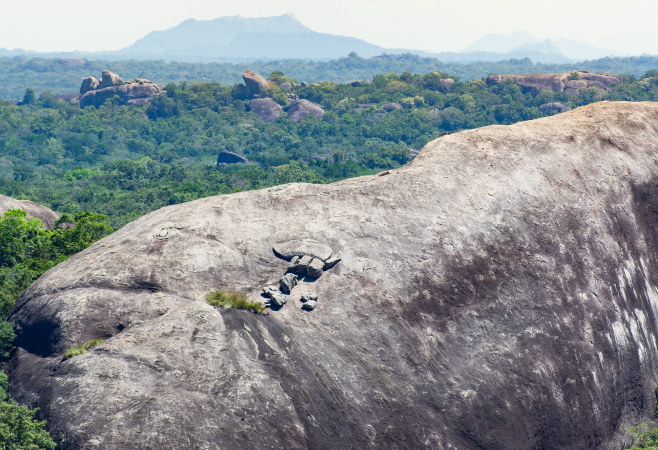 A view of Kumana National Park
Why Visit Kumana National Park?
Travelers choose Kumana for a more serene safari experience that focuses heavily on nature and conservation.
Key reasons to visit:
- World-class birdwatching: Over 250 bird species recorded
- Migratory bird season: Thousands arrive between April and July
- Lower crowds: Unlike Yala Block 1, Kumana is peaceful and uncrowded
- Excellent photography opportunities: Clear landscapes, natural lighting
- Chance to spot leopards: Less frequent than Yala, but still possible
- Unique wetland ecosystems: Perfect for eco-tourists and researchers
Wildlife in Kumana National Park
While Kumana is best known for birds, the park supports a wide range of animal species.
Bird Species
- Eurasian spoonbill
- Black-necked stork
- Painted stork
- Glossy ibis
- Pelicans
- Red-faced malkoha
- Little cormorant
- White-breasted waterhen
The highlight is the colonial nesting sites found around the shallow lagoons and mangroves.
Mammals
- Sri Lankan elephants
- Leopards (rare but present)
- Fishing cats
- Wild boars
- Golden jackals
- Sambar deer
- Water buffalo
Reptiles & Amphibians
- Mugger crocodiles
- Sea turtles (in coastal zones)
- Monitor lizards
- Freshwater terrapins
Wildlife encounters in Kumana feel more organic, making it an excellent choice for quiet exploration.
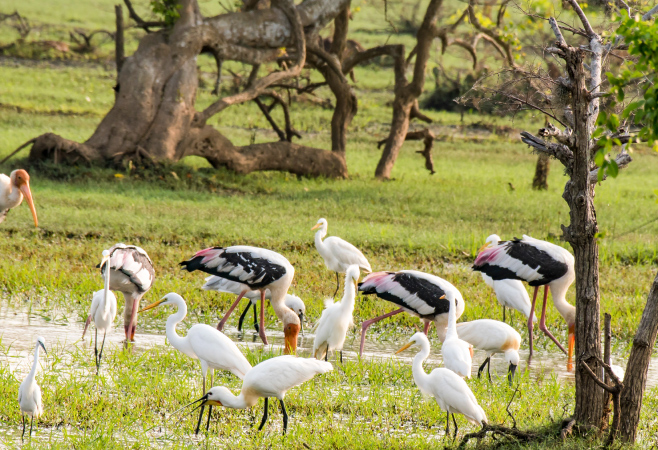 Migratory birds gathering around Kumana’s quiet lagoons
Planning Your Kumana Safari: Best Time to Visit & Wildlife Calendar
Kumana is open year-round, but the best time to visit Kumana National Park depends on your interests.
-
Dry Season (February – July)
Why it’s ideal: Clear skies, dry trails, and abundant wildlife sightings.
Birdwatching peak: April–July is the peak birding migration season. Large flocks of storks, herons, spoonbills, pelicans, and other migratory species gather near the Kumana Villu (lagoon). Ideal for bird lovers.
Safari experience: Easier jeep access, better visibility, and comfortable weather.
-
Monsoon Season (October – January)
The northeast monsoon brings heavy rainfall, and some tracks may be muddy, reducing bird and animal activity. Roads can be difficult to navigate, limiting safari options.
Great for lush scenery, but less ideal for long safaris.
Recommendation: Safaris are possible but often limited due to muddy tracks and reduced wildlife activity, making this season less ideal for most visitors.
-
Transitional Months (August – September)
Conditions: Warm and humid, with occasional showers.
Wildlife: Resident species are visible, but migratory bird numbers decline.
Best for: Travelers who prefer fewer crowds and don’t mind mixed weather.
-
January to March – Balanced Weather
Comfortable climate with moderate animal activity and fewer crowds.
-
Birdwatching Calendar
| Month |
Bird Activity |
Safari Conditions |
| Feb – Mar |
Resident birds, dry weather |
Excellent |
| Apr – Jul | Peak migratory season |
Excellent |
| Aug – Sep | Fewer migratory birds | Good |
|
Oct – Jan |
Low bird activity, heavy rains |
Poor |
Things to do in Kumana National Park: Key Attractions & Wildlife Encounters
1. A Birdwatcher’s Paradise
The primary draw is the spectacular birdlife. From April to July, countless migratory birds arrive to nest, including vast flocks of painted storks, pelicans, spoonbills, and herons. The rare Black-necked Stork is a highly sought-after sighting. Even outside the peak nesting season, the park is home to species like the Sri Lankan junglefowl, hornbills, and numerous birds of prey.
2. Iconic Mammals in a Serene Setting
While birding is paramount, Kumana’s mammal population is impressive. Herds of Sri Lankan elephants are commonly seen, especially near water sources. The park is also home to a healthy population of leopards, seen with less frequency but offering a more exclusive tracking experience. Other sightings include sloth bears, wild buffalo, deer, and the mischievous grey languor monkey.
3. Diverse Ecosystems & Scenic Landscapes
The park’s beauty lies in its variety: coastal lagoons, lush mangrove forests, scrub plains, and serene tanks (water reservoirs). The scenic Kumana Mangrove Swamp and the panoramic views from Kudumbagala are highlights not to be missed.
Safari Experience in Kumana National Park
Kumana offers half-day, full-day, and custom safaris. Because the park is less crowded, the safari trails feel tranquil and immersive.
What to Expect on a Safari
- Natural landscapes without vehicle congestion
- Opportunities to observe animals without noise disturbances
- Excellent spotting chances early morning and late afternoon
- Professional guides familiar with migratory bird patterns
Safari Vehicle Types
- 4WD jeeps with elevated seating
- Open-air designs suitable for photography
- Private or shared safari options available
Safari Duration
- Half-day: 3–4 hours
- Full-day safaris usually include a morning and afternoon game drive with a break outside the park during midday hours.
- Full-day safaris are recommended for serious birdwatchers and photographers.
Entrance Fees for Kumana National Park (Approximate)
- Fees may vary slightly each year, but these are the typical rates for foreign visitors:
- Adult: USD $25–$35
- Child: USD $15–$20
- Safari jeep hire: USD $40–$60 per half-day (shared cost if in a group)
- Guide fee: Often included with jeep or $10–$15
- Prices may change during peak seasons or holiday periods.
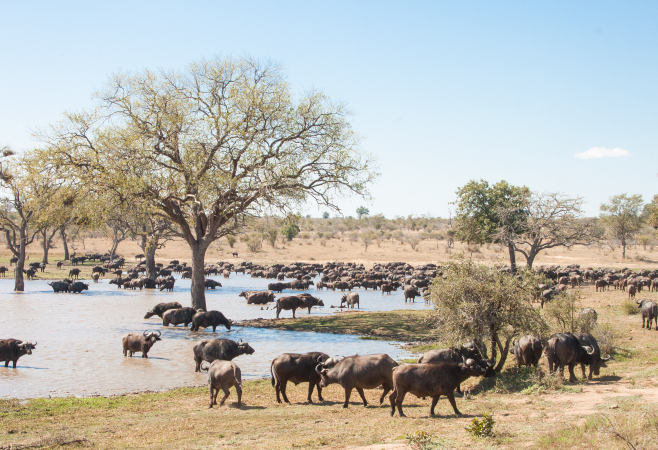 In Kumana National Park, nature remains truly wild
Planning Your Arrival and Stay
How to Reach
Kumana is located in the Ampara District, accessible from popular tourist regions.
By Car or Private Driver
The easiest and most comfortable method. Travel times from major destinations:
- Arugam Bay → 1 hour
- Batticaloa → 3.5 hours
- Ella → 4.5 hours
- Colombo → 7–8 hours
By Public Transport
You can take a bus to Panama or Lahugala, then hire a tuk-tuk to reach the park entrance. This option is cheaper but slower and less convenient.
Nearest Airports
- Batticaloa Airport (domestic)
- Bandaranaike International Airport (Colombo) – international arrivals
Many travelers combine Kumana with nearby Arugam Bay, a famous surfing destination.
Accommodation Near Kumana National Park
There are no hotels inside the park, but accommodations are available in nearby areas.
Where to Stay
- Arugam Bay – Most popular option; beach hotels, eco-lodges, and villas
- Panama village – Rustic stays for eco-travelers
- Pottuvil – Budget-friendly guesthouses
Types of Stays
- Eco-lodges
- Jungle camps
- Boutique hotels
- Budget rooms
Most safari operators can arrange pick-up and drop-off from Arugam Bay hotels.
Recommended Itinerary Ideas
3-Day East Coast Wildlife & Surf Trip
- Day 1: Arrive Arugam Bay – relax & surf
- Day 2: Full-day Kumana safari + sunset at Panama Beach
- Day 3: Morning birdwatching safari or visit Kudumbigala Monastery
14-Day Sri Lanka Highlights Route
Sigiriya → Kandy → Ella → Kumana (2 nights) → Yala → Mirissa → Galle → Colombo
Travel Tips for Visiting Kumana National Park
- Visit early morning or late afternoon: The best wildlife activity and soft lighting occur during these hours.
- Respect wildlife distance: Do not approach animals, especially nesting birds or elephants
- Choose experienced safari guides: They know the habitats, seasonal patterns, and best photography spots.
- Photography tip: Morning safaris offer the best golden-hour light.
- Use a private 4×4 jeep – no public buses enter the park.
- Permits & Fees: Your safari operator will typically handle the necessary park entrance fees and permits. Confirm this in advance.
- Pack properly
- Bring sunscreen, sunglasses, a hat, insect repellent, binoculars, and a rain cover (depending on the season).
- Carry snacks and water: Facilities inside the park are limited.
- Wear earth-tone clothing and avoid strong perfumes
- Mosquito repellent is a must, especially May–September
- Combine Your Trip: Pair your Kumana visit with stays in Arugam Bay for surfing, Lahugala National Park for elephant gatherings, or the cultural sites of Batticaloa.
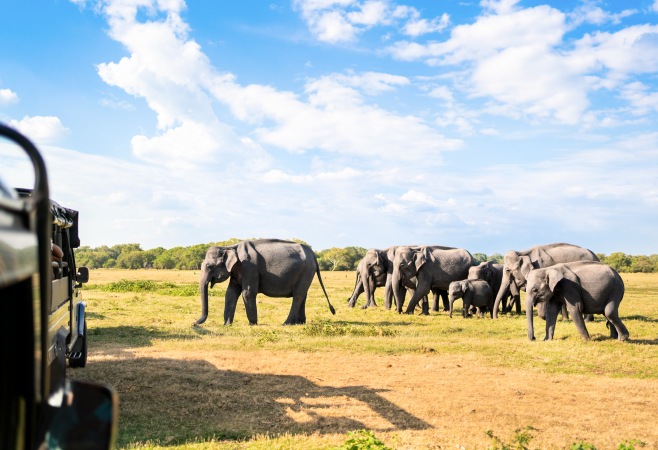 A peaceful safari drive through the untouched landscapes of Kumana National Park
Kumana National Park vs Yala National Park
Many travelers compare the two parks when planning a Sri Lanka safari.
Kumana National Park
Best for: birdwatching, quiet safaris, nature lovers
Fewer crowds
- Exceptional wetland ecosystems and bird diversity
- Excellent for photography
Yala National Park
- Best for: frequent leopard sightings
- More crowding on popular trails
- Easy access and wide safari offerings
Travel tip: Visit both parks for a balanced wildlife experience.
Is Kumana Worth Visiting?
Yes—Kumana National Park is absolutely worth visiting for travelers seeking a peaceful, nature-rich safari experience in Sri Lanka. It is especially recommended if you love:
- Birdwatching
- Eco-tourism
- Photography
- Remote wilderness landscapes
- Less commercialized attractions
Kumana offers one of the most authentic wildlife experiences on the island.
Final Thoughts
Kumana National Park in Sri Lanka stands out as a hidden gem for nature lovers and bird enthusiasts. With its remarkable biodiversity, tranquil setting, and spectacular migratory bird season, the park delivers a rewarding safari experience away from tourist crowds.
Ready to add Kumana National Park to your Sri Lanka itinerary? Start planning your East Coast adventure now—this hidden gem won’t stay quiet forever.
Related Articles
- Sri Lanka Wildlife Guide: National Parks, Safari Experiences & Best Times to Visit
- Mahiyanganaya Temple Travel Guide: History, Location & Tips
- Traveling From Colombo to Sigiriya: Routes, Costs & Tips
- Wilpattu National Park Guide: Everything You Need to Know
- SriLankan Airlines Travel Guide: Services, Routes & Travel Tips
- Thalpe Beach Guide: Location, Best Things to Do & Travel Tips
- Travel Sri Lanka with Kids: Best Places, Itinerary & Travel Tips
- Galle Weather Guide: Climate, Seasons, and Travel Tips
- Best Way to Travel from Colombo to Kandy, Routes & Costs
- Mihintale Temple Travel Guide: What to See & When to Visit

HOW CAN WE HELP?
 NEED HELP 24/7
 United States
+1 949 346 9868
United States
+1 949 346 9868
 United Kingdom
+44 0330 822 7696
United Kingdom
+44 0330 822 7696
 Singapore
+65 6485 3630
Singapore
+65 6485 3630
 Viber
+65 8174 8526
Viber
+65 8174 8526

APPLY WITH CONFIDENCE


|
|||


